Tooth decay can develop quietly, sometimes before you notice pain or a visible change. That is why preventive care matters even when your teeth feel fine. Regular dental visits help prevent cavities, identify concerns early, and protect your smile over time.
Finding early signs before they become bigger problems
Cavities form when mouth bacteria feed on sugars and produce acids that weaken tooth enamel. In the early stages, this damage may not cause discomfort. A dental exam can help identify areas of concern, including weakened enamel, developing decay, gum inflammation, and worn or damaged restorations. Finding a problem early may mean treatment can be simpler and less extensive.
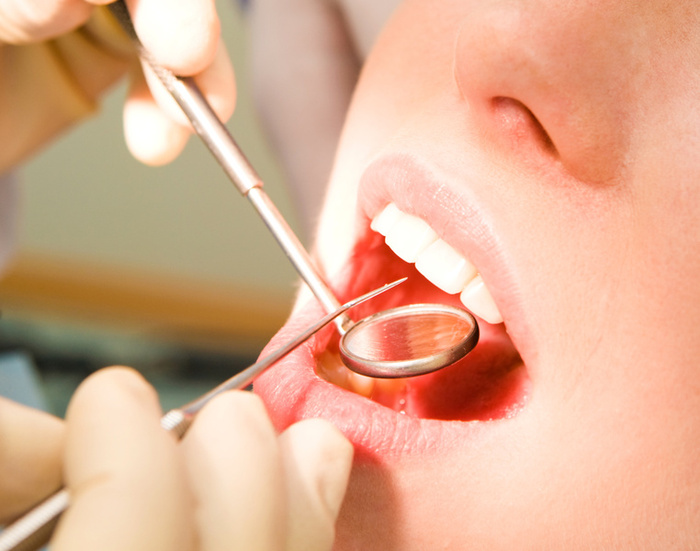
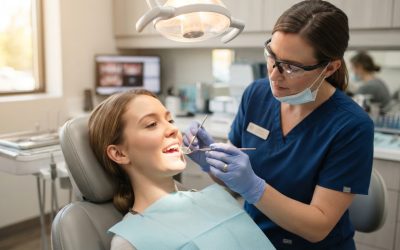
When you visit Parkside Dental PC, the Dentist checks your teeth and gums and may recommend X-rays when appropriate. Imaging can reveal decay between teeth or other changes that are difficult to see during a visual assessment. Recommendations depend on a person’s age, oral health, symptoms, and history; X-rays are not necessarily needed at every visit.
Professional cleanings and personalized guidance
Even careful brushing and flossing may leave plaque in areas that are difficult to reach. If plaque hardens into tartar, it cannot be removed with a toothbrush at home. A professional cleaning clears away this buildup and helps reduce the conditions that contribute to cavities and gum disease. The dental team can also point out spots that need more attention during daily care.
A visit is also a chance to ask practical questions. A Dentist can suggest brushing techniques, flossing tools, or changes to a routine based on what they see. This advice can be particularly useful for people with crowded teeth, sensitive gums, braces, dry mouth, or a history of repeated cavities. Personalized guidance makes prevention more relevant than relying on general advice alone.
Preventive treatments that strengthen protection
Some patients benefit from additional cavity-prevention measures. Fluoride helps strengthen enamel and may support its ability to resist acid attacks. Depending on a patient’s needs and risk of decay, the dental team may recommend fluoride toothpaste, a rinse, or a professional application. These choices should be discussed during an appointment, especially for children or anyone with a higher risk of cavities.
Dental sealants are another preventive option, most often used on the chewing surfaces of back teeth. Their thin protective coating can cover grooves where food and bacteria may collect. Sealants are commonly considered for children as permanent molars come in, though a Dentist may also assess whether an adult could benefit. Neither sealants nor fluoride replace brushing, flossing, or routine checkups; they add another layer of protection.
Building everyday habits that last
Prevention continues at home between appointments. Brushing twice a day with fluoride toothpaste and cleaning between the teeth daily help remove plaque before it can contribute to decay. A soft-bristled toothbrush and gentle technique can clean effectively without unnecessary pressure on the gums. Replace the toothbrush when its bristles become frayed, since worn bristles may not clean as well.
Food and drink choices also affect cavity risk. Frequent sipping of sugary drinks or snacking on sweet foods gives mouth bacteria more opportunities to produce enamel-damaging acids. Water between meals and balanced eating habits can support oral health. If you often have a dry mouth, mention it at your visit; reduced saliva can make it harder to clear food particles and neutralize acids.
Care that supports long-term oral health
Routine visits help establish a record of changes in your teeth and gums over time. A Dentist who knows your history can help tailor a prevention plan, recommend an appropriate schedule for checkups, and discuss concerns before they interfere with eating or daily comfort. The right interval between visits varies, so follow guidance based on your individual health rather than assuming everyone needs the same schedule.
Prevention can also protect more than the tooth surface. Healthy gums support the teeth, while prompt attention to decay or damage may help preserve natural tooth structure. If you notice a toothache, lingering sensitivity, swelling, a broken tooth, or a change in your bite, arrange an evaluation instead of waiting for a routine appointment. These symptoms do not always indicate a cavity, but timely assessment can clarify what is happening and whether care is needed.
Consistent checkups, professional cleanings, and manageable daily habits work together to reduce avoidable problems. With regular attention and recommendations suited to your needs, you can make informed choices that help keep your teeth functional and your smile healthy for years to come. Visit or Call Parkside Dental PC to schedule your next dental appointment and take a proactive step toward maintaining your oral health.